

Written by Leo Mazzocco
Student organizations are an integral part of the Wisconsin experience. You may have spent an afternoon studying at the SAC above east campus mall, watching club members whizz all around you. Perhaps your friends have excitedly told you about the clubs they are a part of. UW-Madison is home to nearly 1,000 clubs, leaving room for almost every niche interest that exists. Despite this, many find themselves longing for a club that has not yet been created. For these people, the next logical step is to create a new club, but what does that process entail?
To get the inside look of starting a club, I sat down with the founders of Badgers in Themed Entertainment (BITE). As freshmen in Mechanical Engineering, Elizabeth Janicek and Levi Rudolph found themselves longing for a club that was nowhere on campus. Both lifetime fans of all things theme parks, they were eager to get their foot in the door of the industry when they started at UW-Madison. Unfortunately, no club yet existed to help platform them to reach this goal.
Levi explained, “My whole family loves theme parks, they were always some of our favorite places to vacation. Then during Covid, I realized that people build those, and that’s part of the reason why I studied what I studied.”
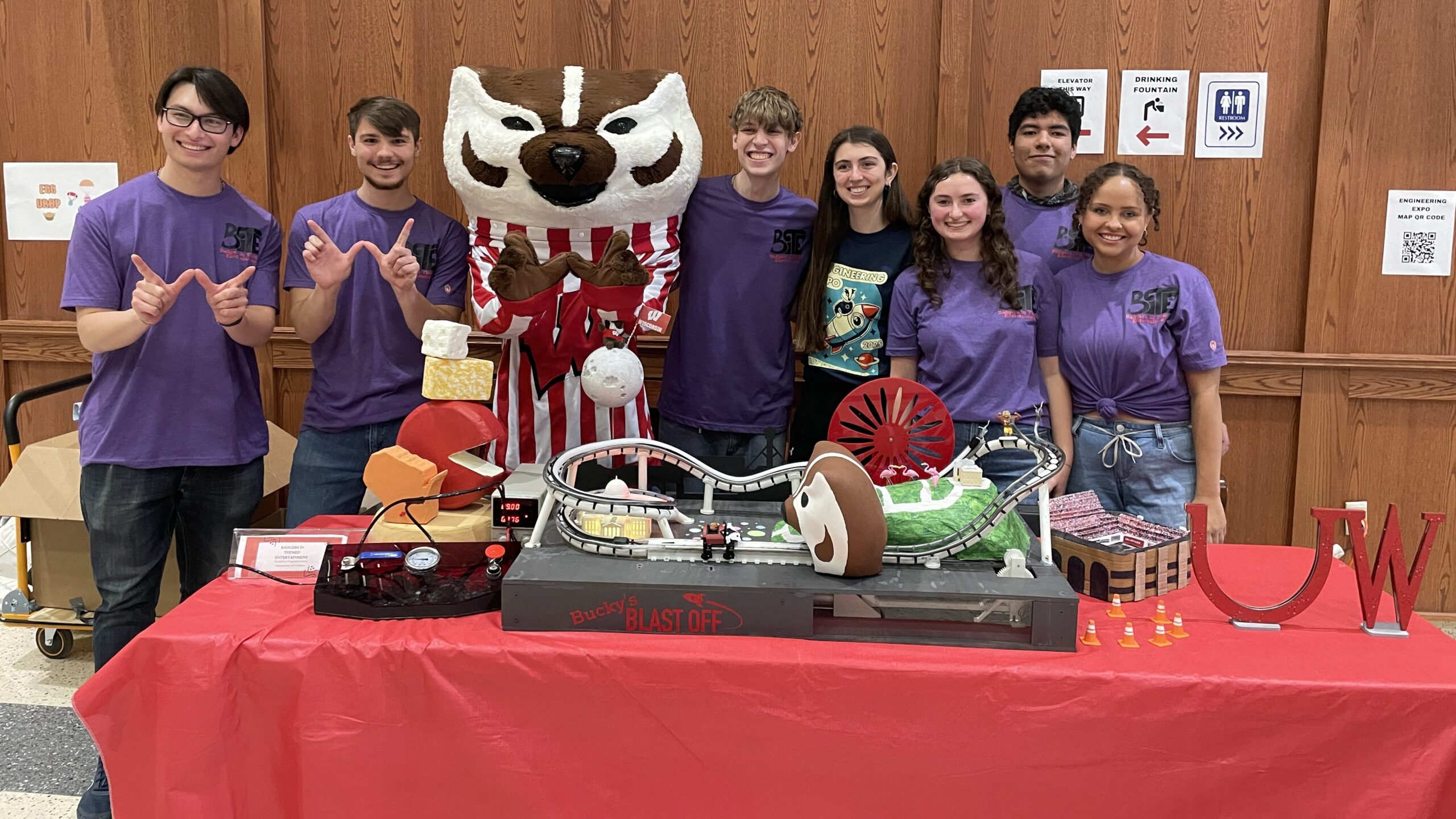
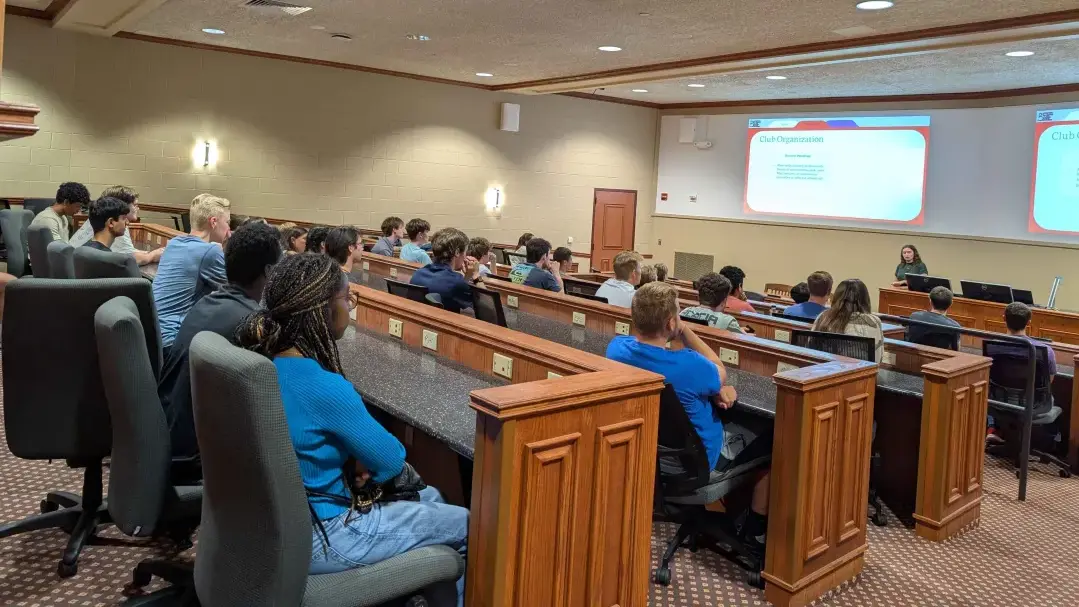
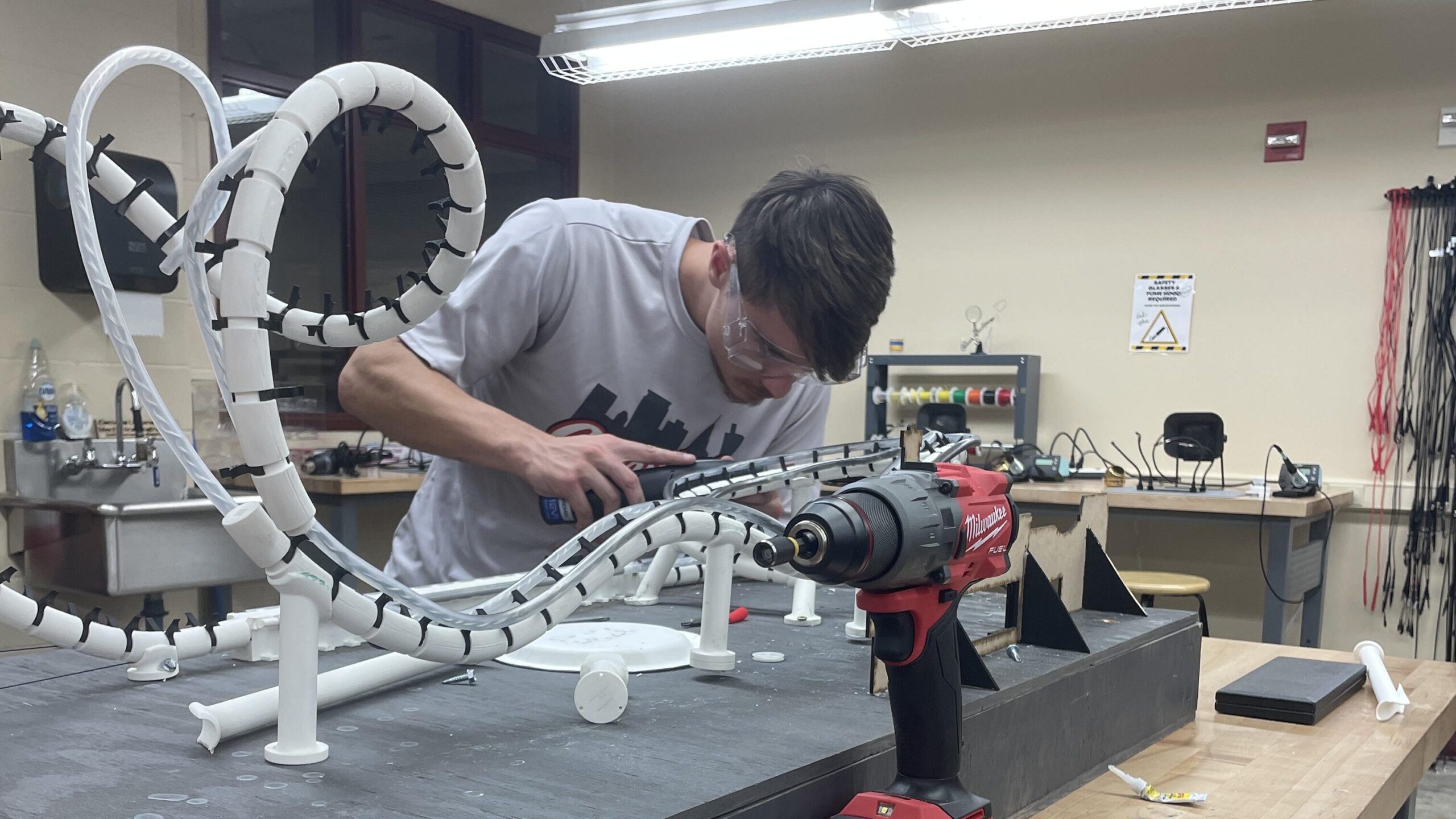
The team created BiTE to harness all the love that students have for theme parks. They host speakers who work at the parks, compete in design competitions, and attend theme park conventions. Each year, the team works to create a scaled coaster to display at the Engineering Expo on campus. This year, they designed a scaled dark ride coaster that will simulate taking students through the ocean and finding a pirate’s lost treasure.
According to the duo, the first step of starting a club is to meditate on what the club’s core identity will be. Will the club be project based? a safe space for a niche interest? a part of a larger national organization? These questions and many more must be answered before the ball can get rolling.
Elizabeth Janicek lays it all out, “Before anything can get actually set, you have to have a constitution, a faculty advisor, and all of this other paperwork filled out, which means you have to actually have what you want in the club planned out”.
Now that you have the club registered, the first major hill to climb is recruiting members. The campus is large enough that it is certain that people will share your interests, but the hard part is finding them. The obvious answer is to attend the Engineering Bash (E-Bash) and Student Org Fair, but Levi says the real secret sauce lies in the digital realm: “I’ve found that especially starting from zero, you don’t have a history of things to talk about, so I think it was a lot easier to bridge that gap when you had a very active media presence.”
After finding members, you will want to build out the club network. Competitions, speakers, and many other opportunities will be found through the connections that you will gain through the club. Creating this network can be a daunting task from the start, but there are some tips and tricks you can use to increase your chances of success.
Levi recommends reaching out to people on LinkedIn, “Start your club account on LinkedIn and post on it right away, because that way, if you’re directly messaging people on LinkedIn, they can verify it’s a real thing. They don’t have to leave the app.”
Navigating this whole process is very confusing, and there is no precise road map which explains exactly what you should do and when. Leaning on the engineering campus resources and being relentless are the only ways to be certain your club will be a success. That being said, Elizabeth narrates a succinct timeline for what you may expect:
“A lot of meetings, lots of late nights, make a constitution, send it to people, hope it gets accepted, and then network, get your name out there, show up to E-Bash, and go to org fair.”
At the end of the day, starting a club is undeniably a lot of work and will always be a personal decision. You will find a community of people who love exactly the thing you love, but it absolutely will not be easy. To end, I asked the founders to share advice for anyone weighing this in their head as they decide if they want to start a club.
Elizabeth shot back,
“Go for it. Work hard. Don’t give up on it. If you have the idea and you have a team that are all really excited about it, go for it.